
- Residential
- Commercial & Municipal
- Building Consulting
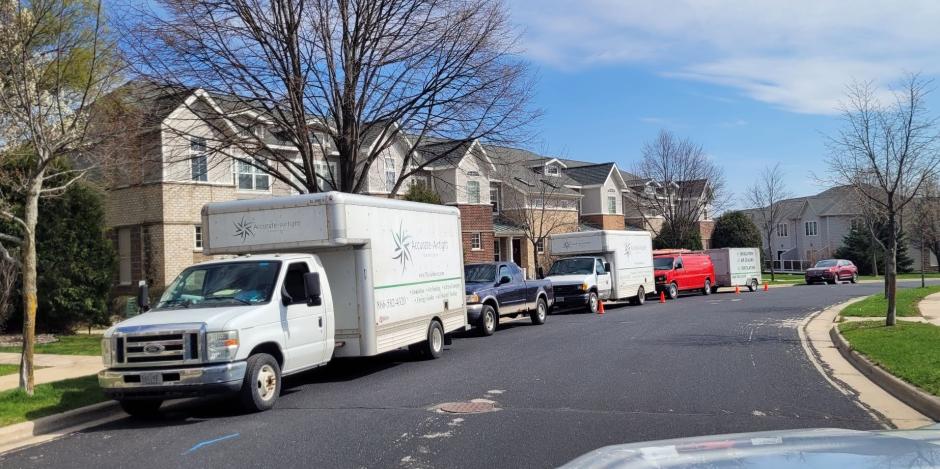
Why Remove Attic Insulation?
The primary reason to remove existing attic insulation is because the insulation is ineffective and/or in poor condition. Attic insulation removal can be the first step in a comprehensive attic air sealing/insulation project. Removal of attic insulation will make locating and then sealing all attic air leaks possible, which increases the overall-all effectiveness of any new insulation. Also, removal of attic insulation is often needed so the insulation crew has room to work quickly and efficiently in tight attic conditions.
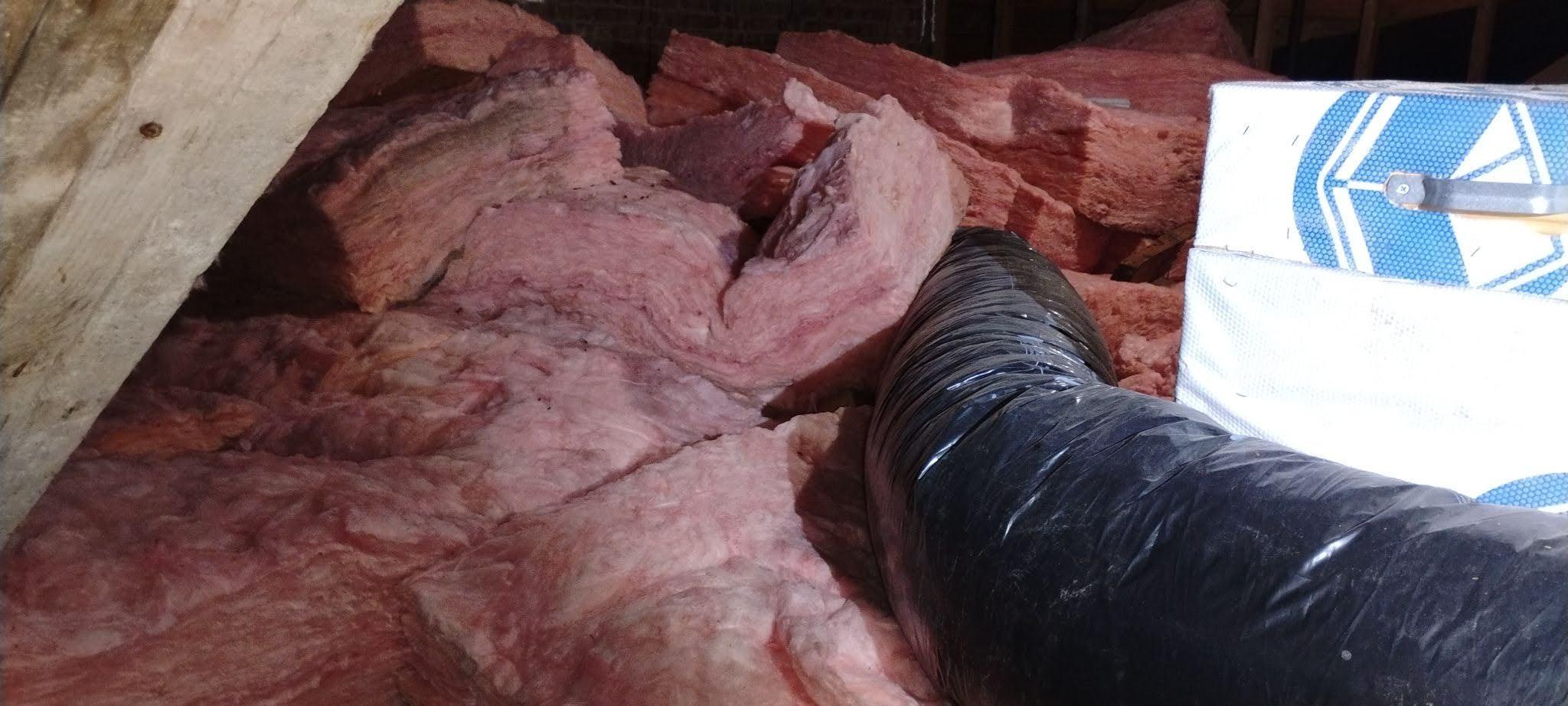
Above: Poorly installed fiberglass batt insulation is ineffective and should be removed so attic air leaks concealed by the insulation can be found and then sealed. Even if layers of fiberglass batt insulation or blown-in insulation are in good condition, removal makes sense if needed to make access for air sealing or to install new properly installed ventilation chutes or install new high-performance bathroom exhaust fans.
Ineffective Fiberglass Batt Insulation:
Fiberglass batt insulation is not an ideal type of insulation to insulate an attic with. It is difficult to install fiberglass batt insulation with precision around irregular attic features, and typically there will be gaps and voids between pieces that degrade the stated R value of the insulation installed. Blown-in attic insulation always performs better because it can be installed in a uniform blanket with no seams or gaps.
Pests:
If the insulation has been deteriorated, soiled, trampled,or inhabited by pests (often squirrels, mice, bats, or raccoons), there are likely safety concerns toward the occupants. Pest droppings can lower indoor air quality (IAQ) and be harmful if exposed to it. Also, when in the attic, pests often trample the insulation depths and lower overall R-value. For these reasons, it may be recommended that the existing insulation is removed.
Biological Growth:
If your attic has had issues stemming from poor ventilation, moisture laden air leaking into the space, or poorly vented exhaust fans, these things can lead to excess trapped moisture in an attic, and biological growth can begin to form. Biological growth can begin to form on the underside of the roof decking, trusses, attic floor, or on the insulation itself. In these cases, it is recommended that the existing insulation is removed so that any areas with growth can be treated by a certified mold remediation company.
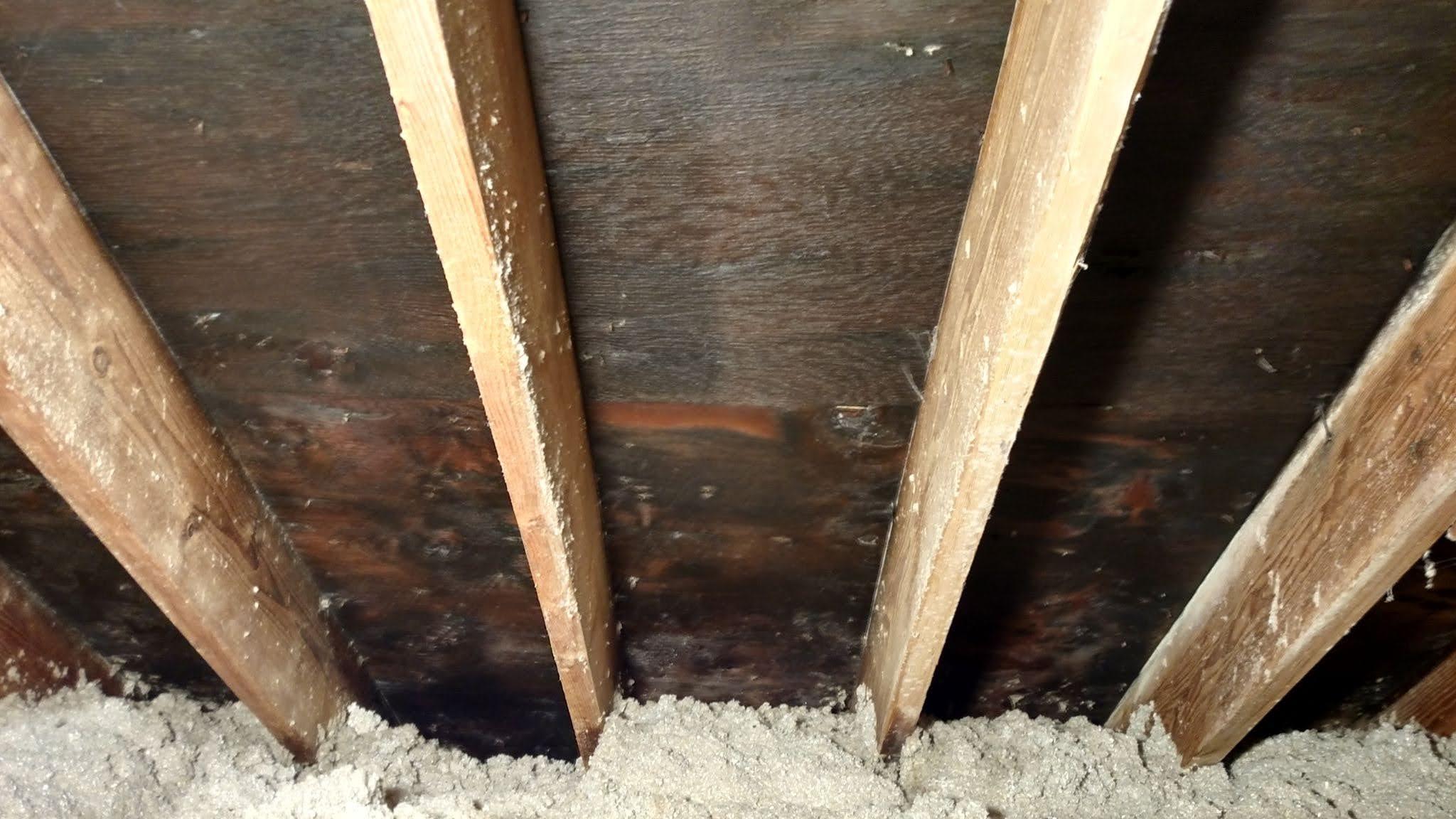
Above: Extensive moisture issues in an attic may need professional remediation. Removal of attic insulation will permit inspection of all of the attic (ceiling joists, rafters, kneewall framing, etc.) and treatment as needed.
Moisture Issues:
If a roof leak or other water infiltration problem has occurred, some of the attic insulation may be too damaged or water-logged to dry, so it may be recommended to spot-remove some of the insulation. Alternatively, if moisture laden air has leaked (via air leakage locations) from the building into the attic, and condensation has occurred on the roof decking, that condensation can drip back down onto the top of the insulation and deteriorate the R-value of that insulation.
Past or Future Electrical Work:
Future Electrical Work: If your home is older and has older-style Knob and Tube wiring, the existing insulation should be removed so a certified electrician can re-wire the home. Old Knob-Tube wiring is a safety hazard (it can catch on fire if any insulation is in direct contact with it) and should be removed so the home can be re-wired. This not only helps the electricians complete their electrical work, but helps provide a safer home for the occupants as well.
Past Electrical Work: Another situation that can occur is when electricians have installed new light fixtures (or other contractors have completed other work in the attic) and have failed to restore the attic insulation that they moved around to its original condition. With the old attic insulation now having been moved around, trampled, and deteriorated, it may be best to remove the old insulation and install new insulation.
Work Zone Restrictions:
If your home’s attic is very tight and physically is difficult to work in, the existing attic insulation may be removed to aid in the completion of the attic weatherization project. If HVAC ductwork is present and difficult to move around while in the attic, the insulation being removed can help move around the ductwork as well. In some cases, there are steep vaulted ceilings or other hard to navigate areas and removing the insulation can help make it safer to move around while in the attic.
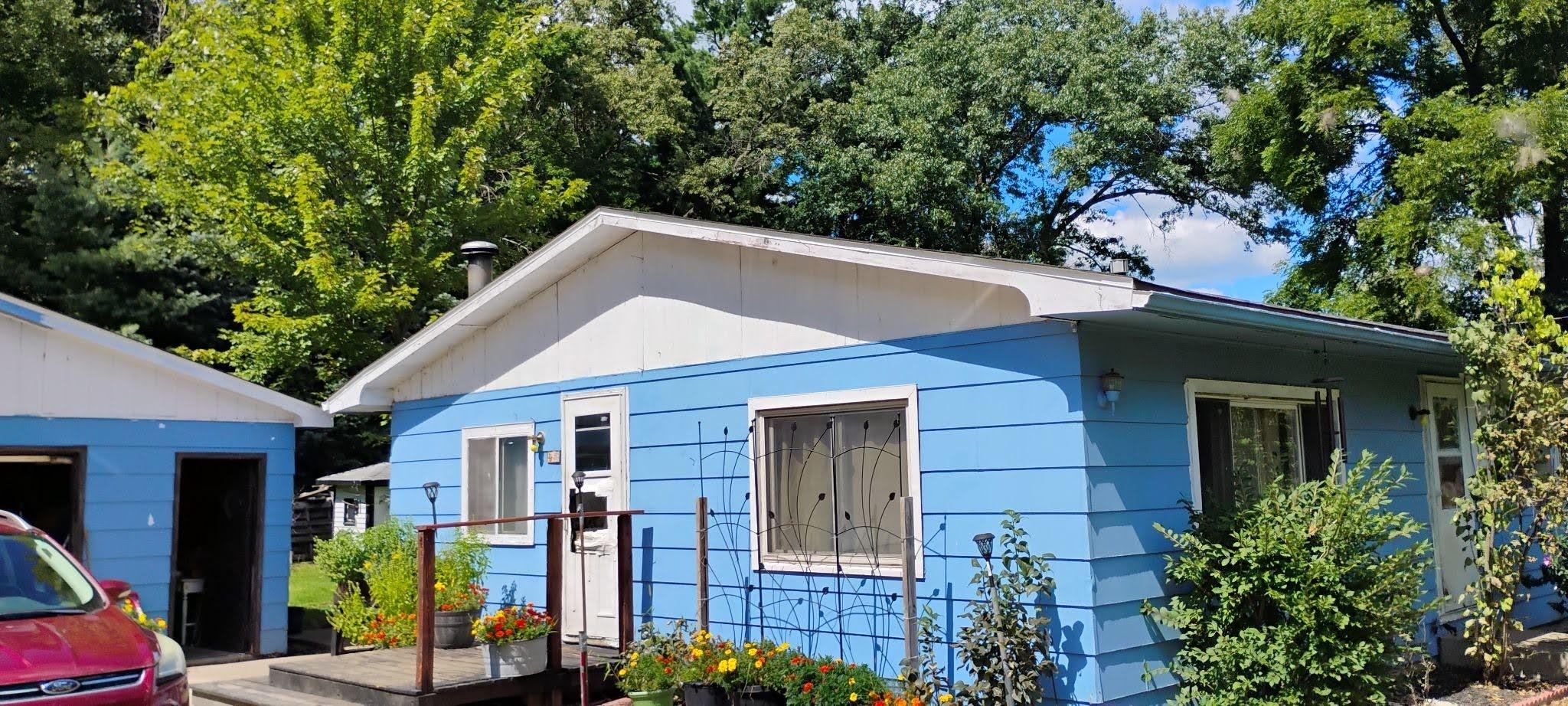
Above: A ranch home with a 3/12 roof pitch. The attic is only 3’ high at the peak. Removal of attic insulation will improve working conditions for the crew.
- Aids in Air Sealing:
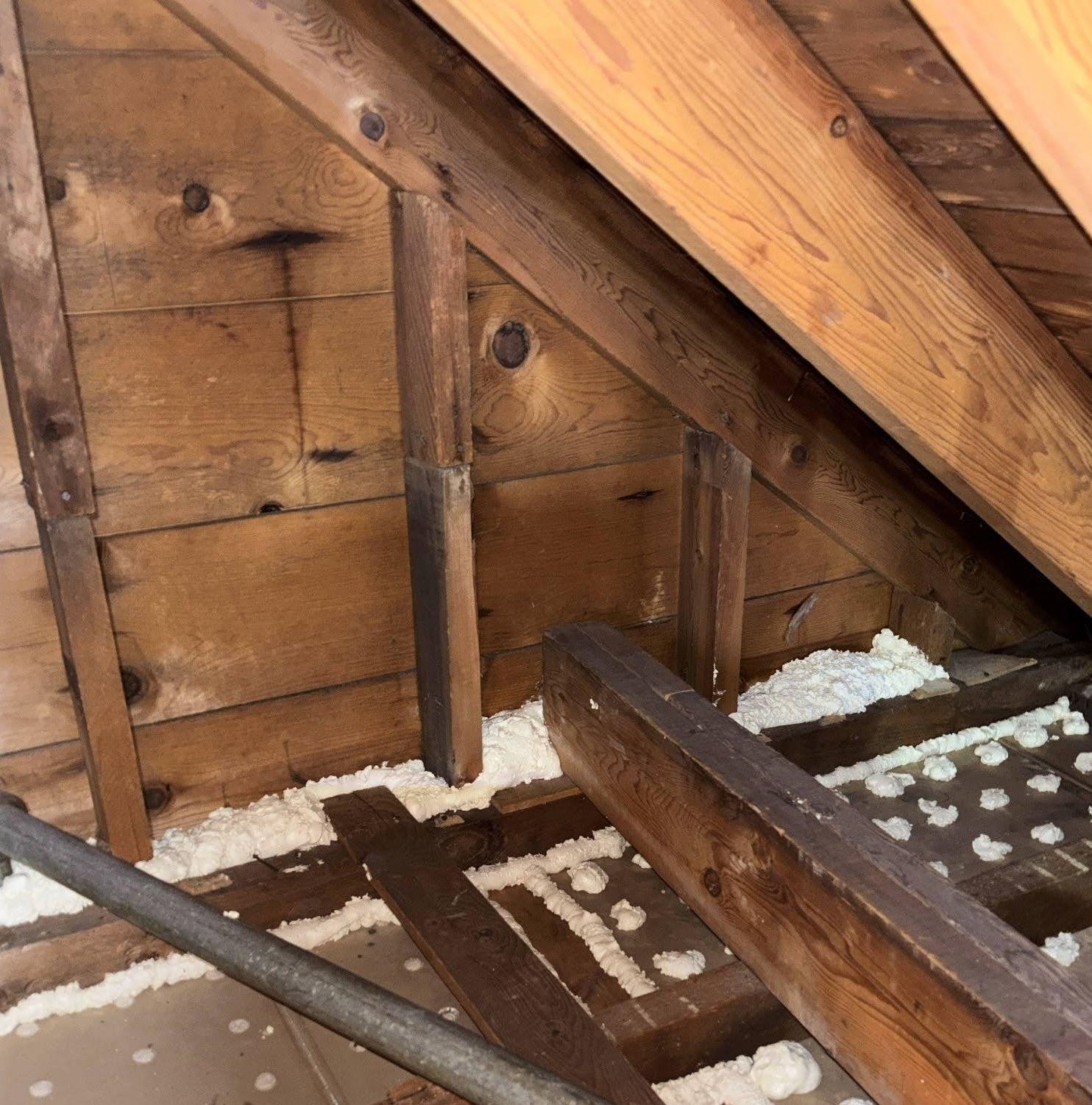
In some attics with a lot of difficult or comprehensive air leak locations that require air sealing, removing the insulation can help aid in a better air sealing project.
Right: There was vermiculite insulation in the attic of this home, so an asbestos abatement contractor removed all of the attic insulation. The photo shows one-part spray foam used to seal gable end wall and top plate seam air leaks.insulation now exposes all the air leak locations and makes the air sealing process easier and of greater quality versus trying to dig through the old insulation.
Debris:
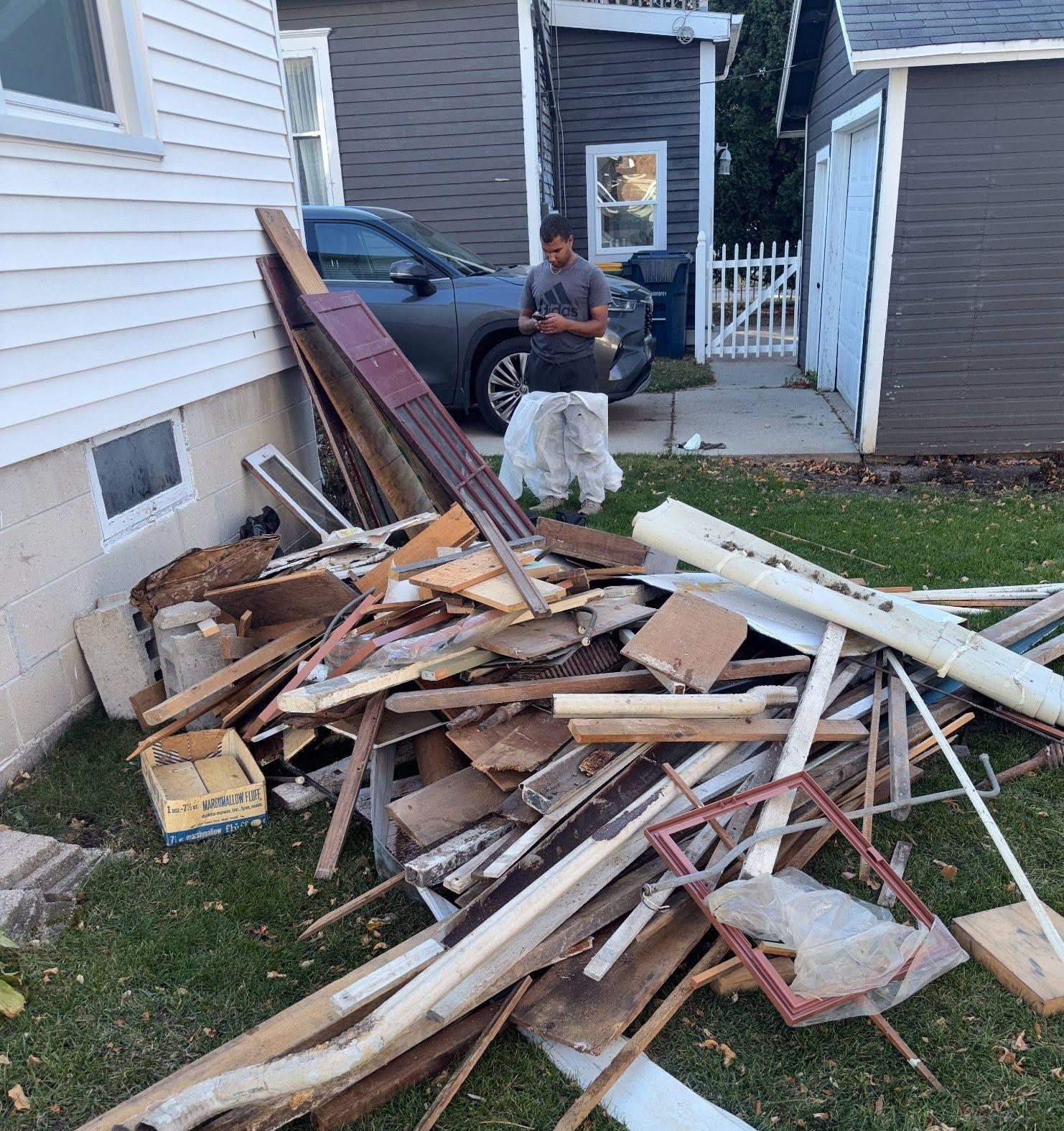
If there are many old belongings, roof debris from a past re-roofing project, or other debris in the attic, it may be recommended to remove the insulation and debris in some or all of the attic.Right: This collection of junk had to be removed from a building before insulation technicians could start work.
Type of Insulation:
Old rockwool insulation may be very itchy for the crew and hard to work in. Old styrofoam bead insulation is very loose and is difficult to move effectively to air seal, so removing it may be the best course of action.
Asbestos (Vermiculite):
In some cases, if vermiculite insulation is found, we have to assume that it contains asbestos. In these cases, a certified asbestos remediation contractor must remove all of the attic insulation prior to a weatherization project. In these cases, Accurate-Airtight Exteriors cannot remove the insulation and a separate contractor must be hired by the owner.
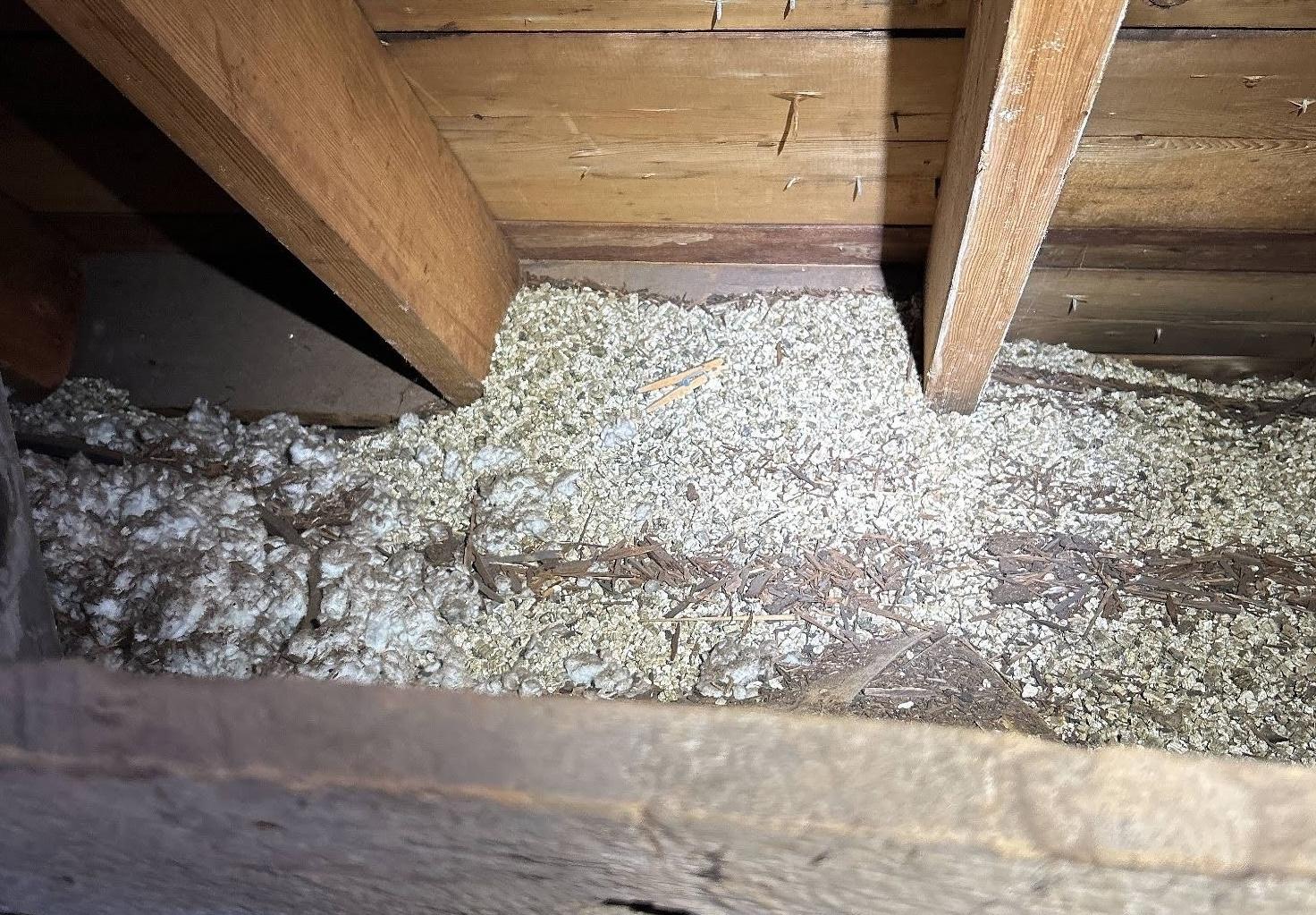
Above: Vermiculite insulation may be found in attics of older buildings (generally 1960’s and earlier construction). This type of insulation likely contains asbestos and needs to be removed by an asbestos abatement contractor before Accurate-Airtight Exteriors will proceed with an air sealing/insulation project.
Chimney Removal:
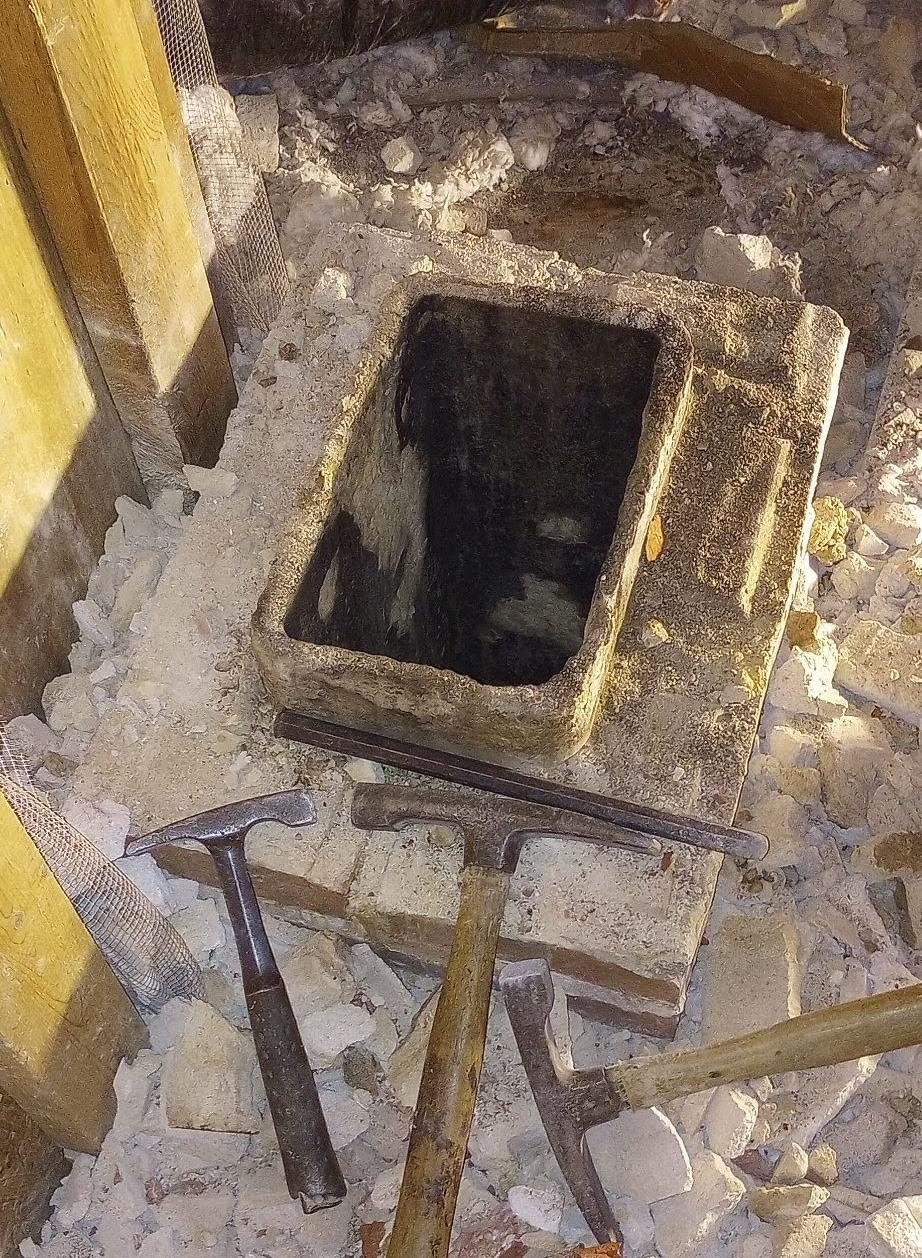
If a chimney is no longer in use (and the above roof section is already removed) it may be advisable to remove the attic portion of the chimney so the former chimney location can be completely sealed and insulated over.
Right: Brick hammers can be used to carefully take the attic section of a chimney apart. Often an older chimney is in poor condition and has bricks and mortar that are easily dislodged.
Ways of removing insulation:
High Powered Vacuum: A high powered insulation vacuum machine is used to remove loose-blown insulation from an attic, with a lengthy hose delivering the old insulation to a disposal bag outside of the home.
Hand Removal: Fiberglass batt insulation can be manually removed from an attic. Pieces of insulation are placed in garbage bags and then removed from the attic.
Where does the insulation go?
The insulation, after removed, is loaded in an enclosed trailer or a vehicle and is removed from the property and properly disposed of.
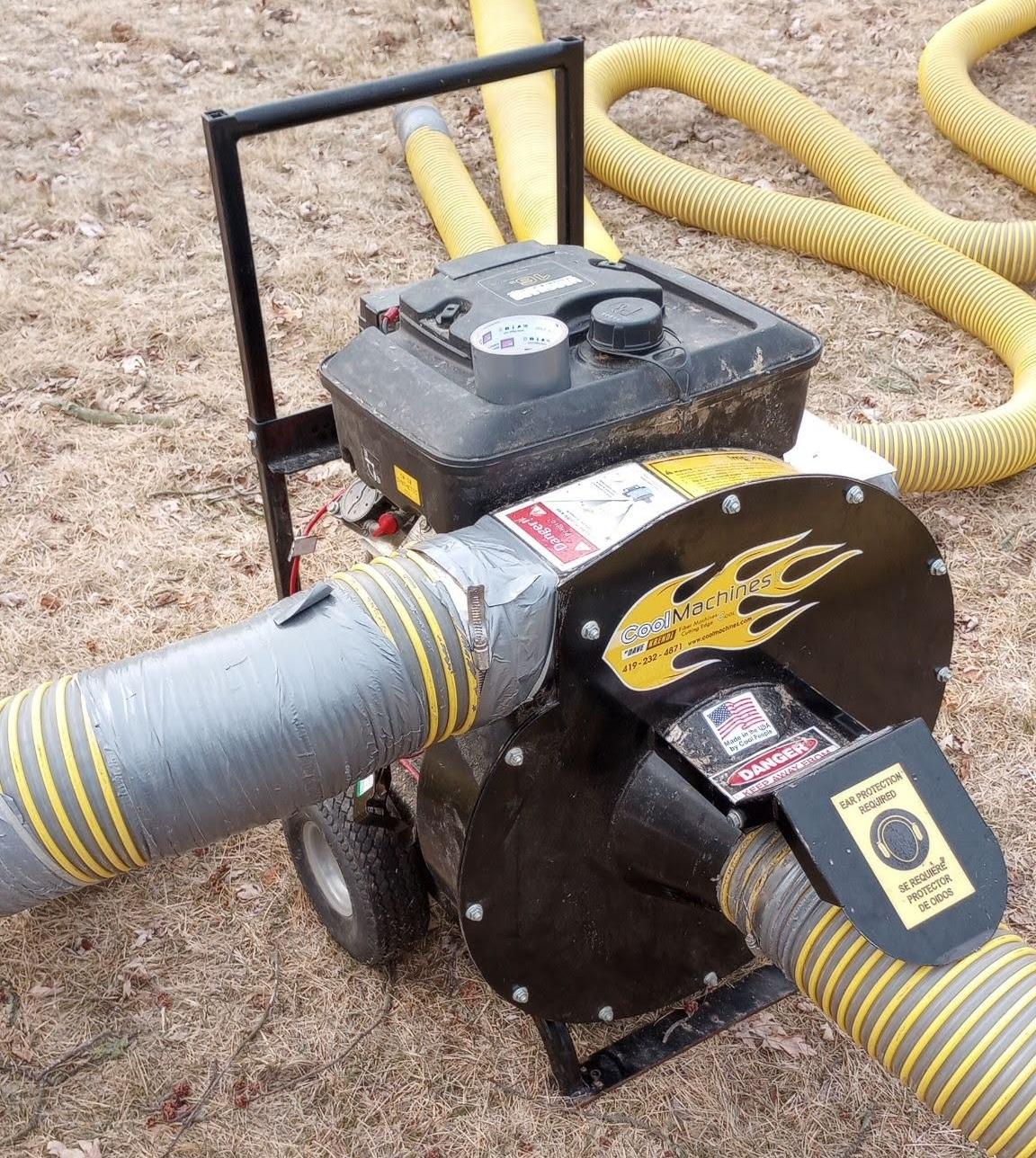
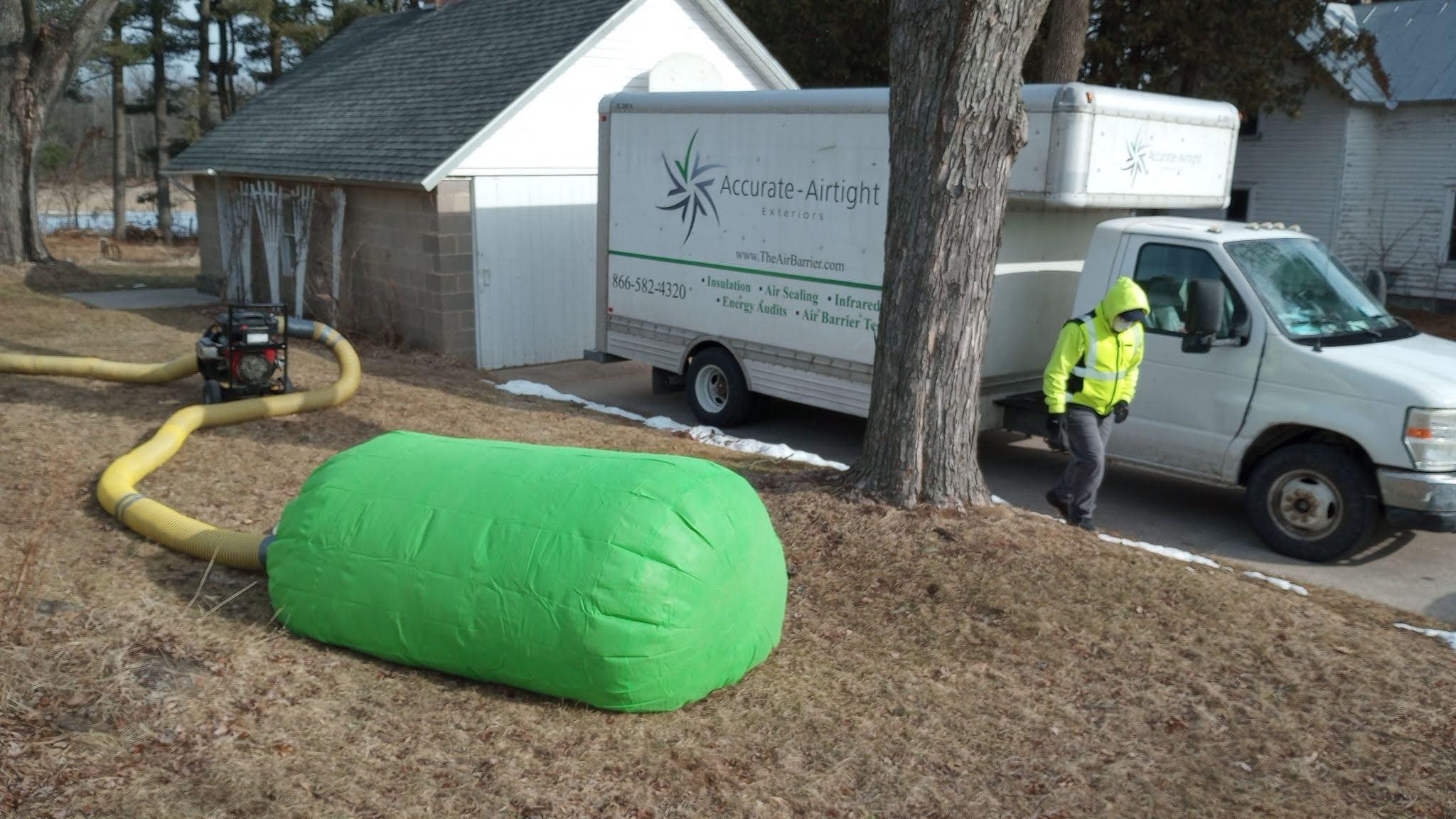
Above, left & right: A high-powered insulation vacuum machine is used to deliver loose-blown attic insulation into disposal bags.
Other benefits of removing insulation:
Pest prevention:
The new blown in cellulose insulation is treated with a natural mineral called Borate. This is a natural pest deterrent, amongst other benefits. After removing the old attic insulation and without a layer of old insulation underneath of the new blown in cellulose insulation, pests do not have a layer at the bottom of the new insulation that they can still live in (the old insulation). With vacuuming, the entire attic would be full of cellulose and would help prevent pest activity.
New insulation performs better:
The newly added blown in cellulose insulation performs better, since it is not blown overtop of old deteriorated insulation or debris. In addition, the new blown in insulation would fill in any gaps, cracks, and voids better. Sometimes, blowing over old insulation (such as fiberglass batts) may still leave small voids (that were below the old insulation).
Better indoor air quality (IAQ):
The air you breathe enters the home through non-intentional building envelope air leak locations, and many air leak locations are located in the attic. The air washing through the old insulation (insulation that is likely dirty, pest ridden, or deteriorated) lowers the air’s quality. After removing the old insulation, air sealing, and re-insulating, the home is now more airtight, comfortable, and the home’s air quality has likely improved.
Whatever type of residential or commercial project, attic, or building you have, call Accurate-Airtight Exteriors for a free estimate or comprehensive energy audit to analyse your attic to best recommend if vacuuming is needed. Accurate-Airtight Exteriors is also happy to vacuum insulation for other contractors to complete attic work as well.